
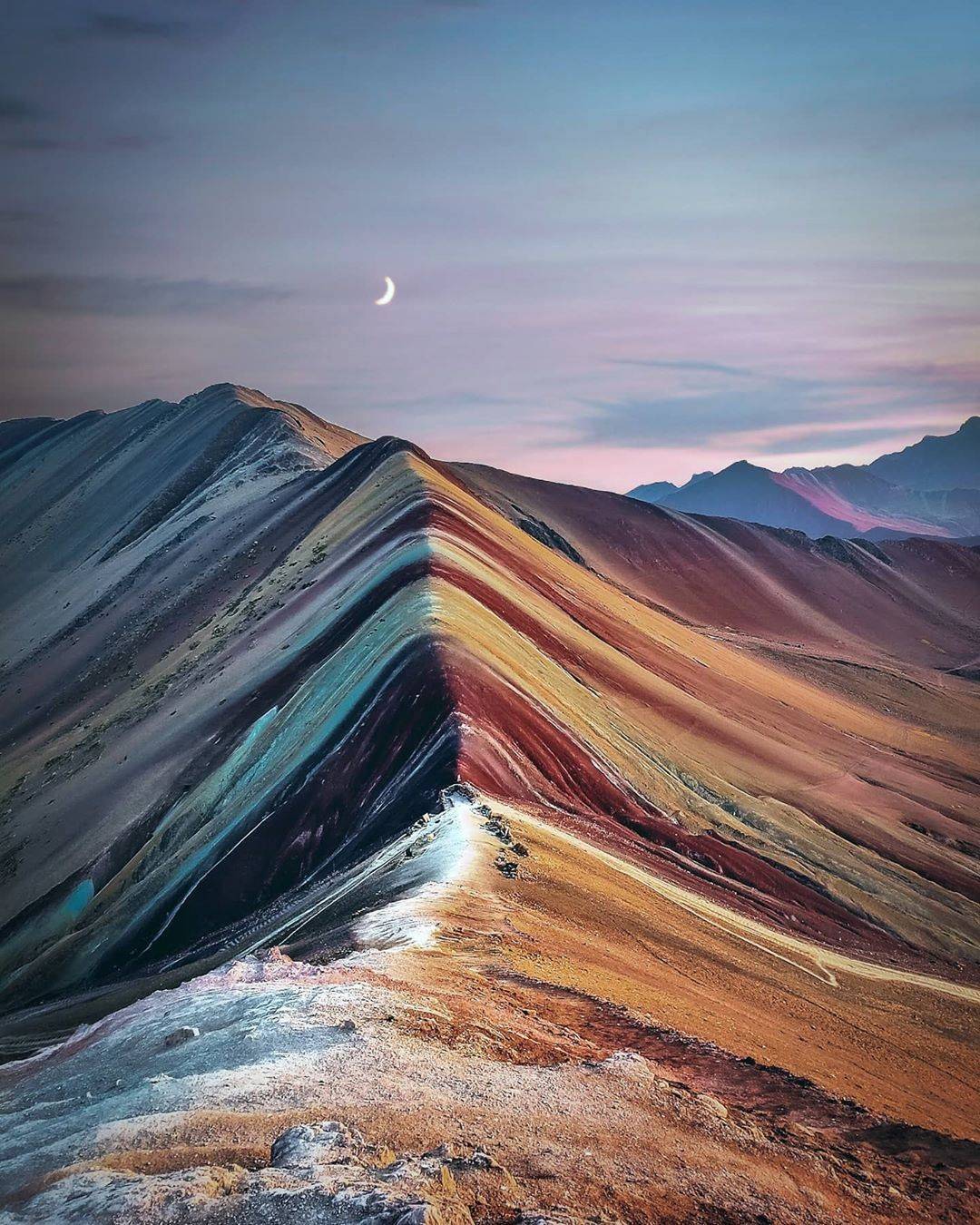
The Mountain of Seven Colors, also known as Vinicunca or Rainbow Mountain, is a geological formation located in the Vilcanota Mountain Range in Peru, near the city of Cusco. This mountain has gained much popularity in recent years due to its impressive colors ranging from red to green, blue, and yellow, among others.
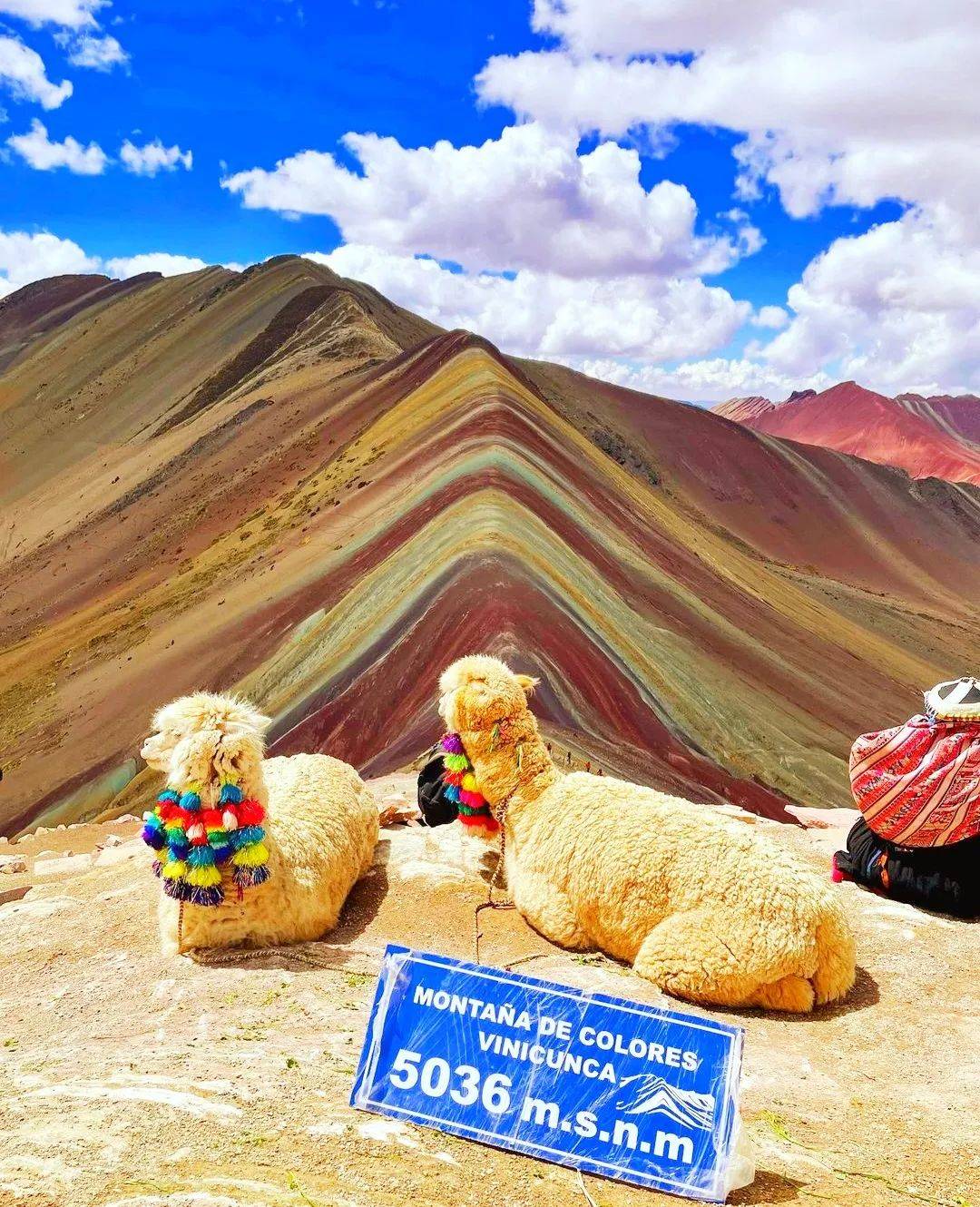
The history of the Mountain of Seven Colors dates back millions of years, when sediments and minerals were deposited in the mountain's layers through volcanic and geological activity. Erosion and exposure to the elements over time created the different colors that can be seen on the mountain today. It was discovered by the local population in the 2010s and quickly became a popular tourist destination. Before that, the mountain was known only to local alpaca and llama herders who used it for grazing. In recent years, the Mountain of Seven Colors has been the subject of debate regarding its impact on the environment and local communities. Due to the increase in tourism, measures have been taken to protect the area and ensure that sustainable tourism is the main way to visit it.
In conclusion, the Mountain of Seven Colors is an impressive natural wonder that has captured the attention of travelers from around the world in recent years. Its unique geological history and visual beauty make it a popular tourist destination in Peru. However, it is important to address its impact on the environment and local communities to ensure its long-term protection and sustainability.
Rainbow Mountain, located in the Cusco region of Peru, is a natural wonder that has gained worldwide fame in recent years due to its unique beauty and astonishing colors. Here are some of its standout characteristics:
If you're planning to visit the Mountain of Seven Colors, here are some options to reach it:
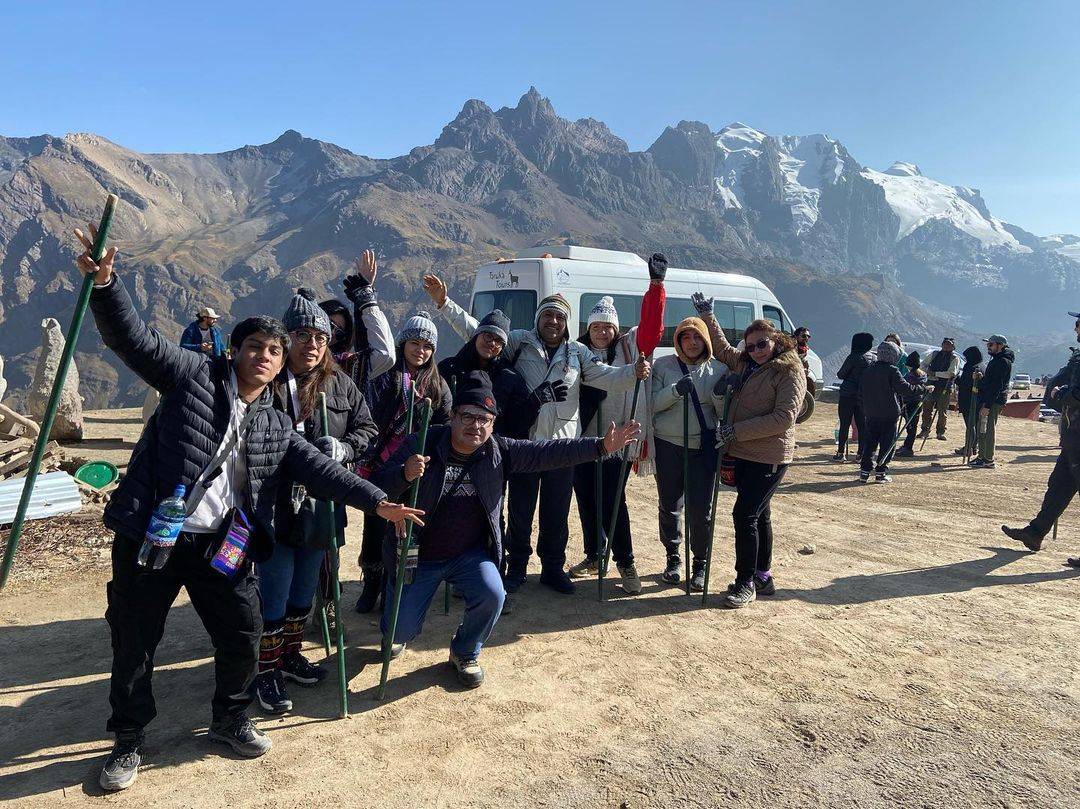
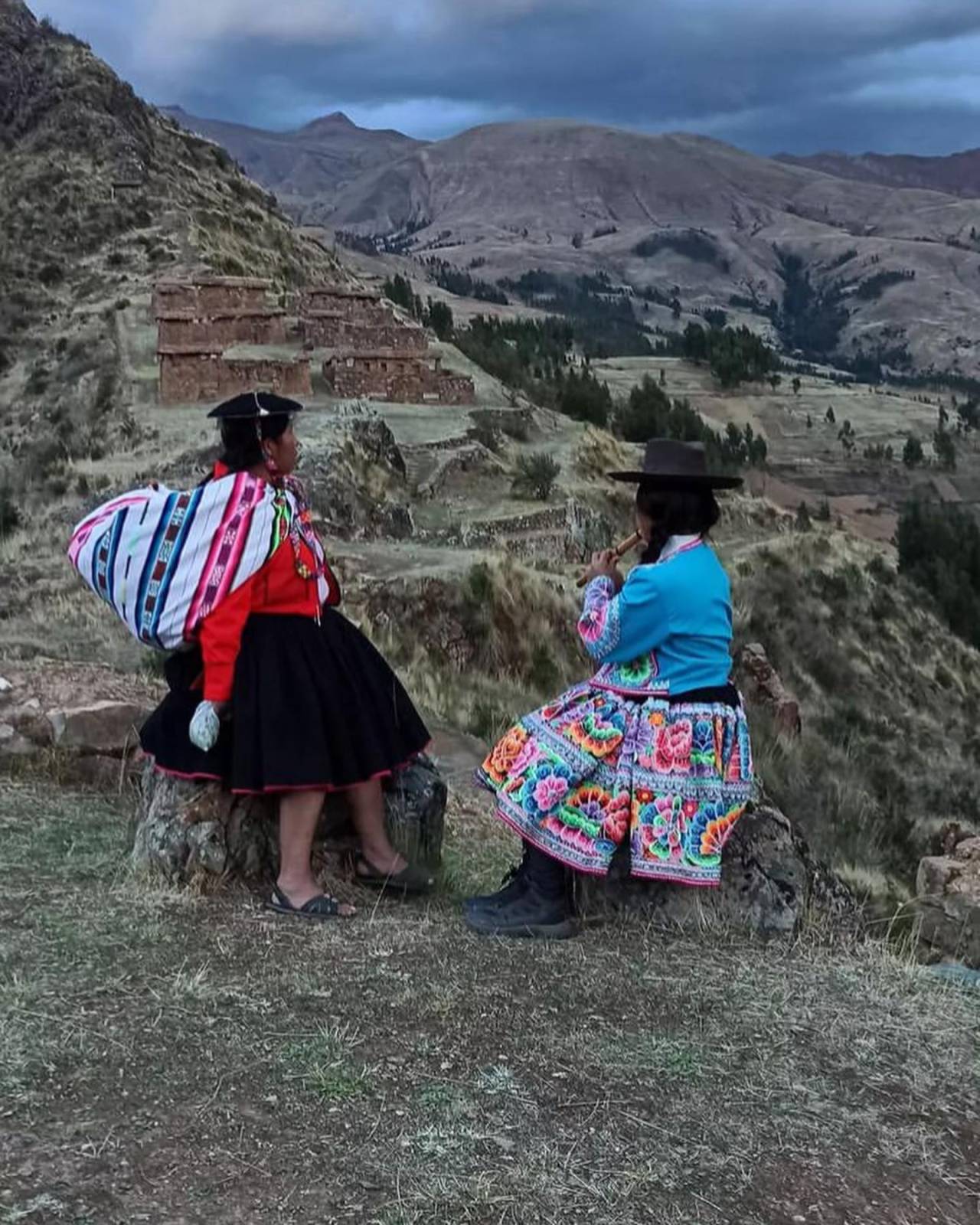
It is located in the district of Pitumarca, in the province of Quispicanchi, in the region of Cusco. The district of Pitumarca is about a 3-hour drive from the city of Cusco and serves as the starting point for the hike to the Mountain of Seven Colors.
The legend tells that many years ago, in the times when gods walked the Earth, a child named Taita Inti, which means "Father Sun" in Quechua, descended from the heavens to meet the inhabitants of the Earth. Taita Inti was impressed by the beauty of the Cusco region and decided to stay there forever. To demonstrate his love for the Earth's inhabitants, Taita Inti transformed the nearby mountain into a beautiful work of art, painting it with the brightest and most beautiful colors that exist.
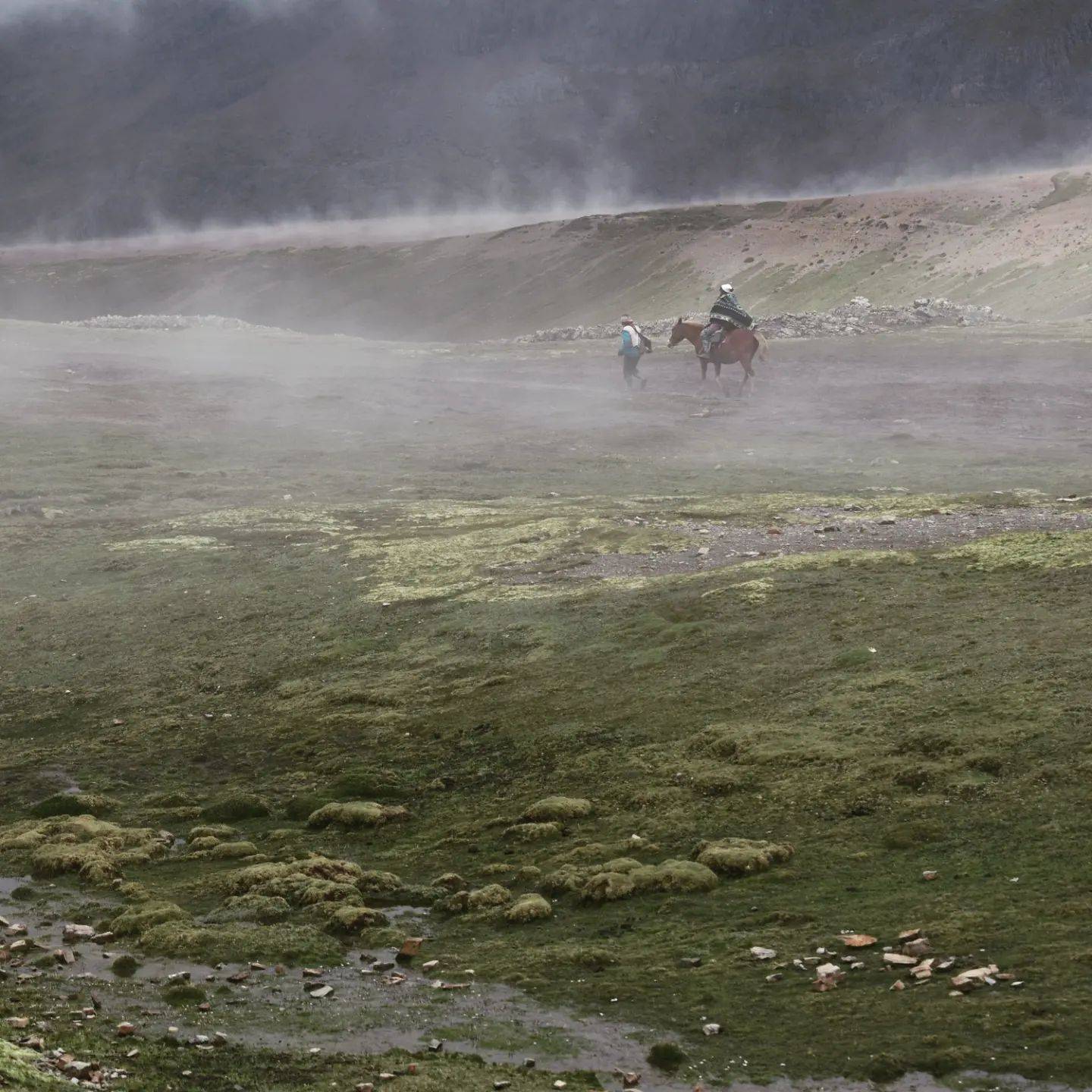
According to the legend, the people of the region believe that the Mountain of Seven Colors is Taita Inti's footprint on Earth, and that the mountain possesses sacred and healing powers. For this reason, the local inhabitants consider it a sacred mountain and visit it regularly to make offerings and seek blessings.
The legend of the Mountain of Seven Colors is an example of the rich Andean culture and its connection to nature. The mountain remains a popular tourist attraction today, and many visitors are drawn to its natural beauty and sacred history.
The colors of the mountain are the result of the presence of minerals and sediments in the rocks that form the mountain. The colors that can be appreciated in the Mountain of Seven Colors are as follows:
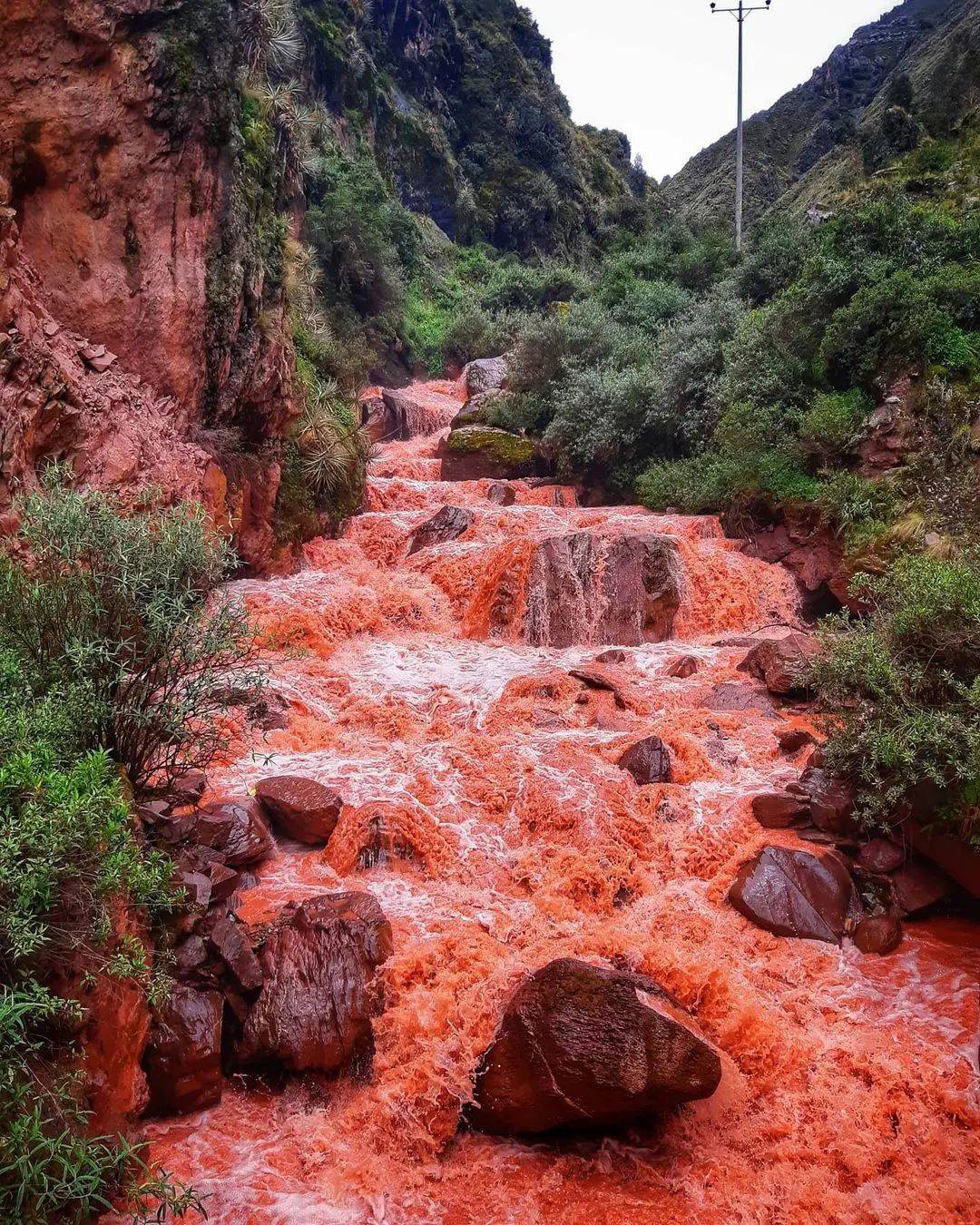
Red: This color is due to the presence of iron oxide in the rocks.
Green: The green color is due to the presence of chlorite and other minerals.
Yellow: This color is due to the presence of iron sulfate.
Blue: The blue color is due to the presence of copper sulfate.
Purple: The purple color is due to the presence of limestone and other minerals.
Brown: The brown color is due to the presence of limonite and other minerals.
White: The white color is due to the presence of limestone and other minerals.
The colors of the Mountain of Seven Colors create a unique and beautiful landscape that attracts visitors from around the world.
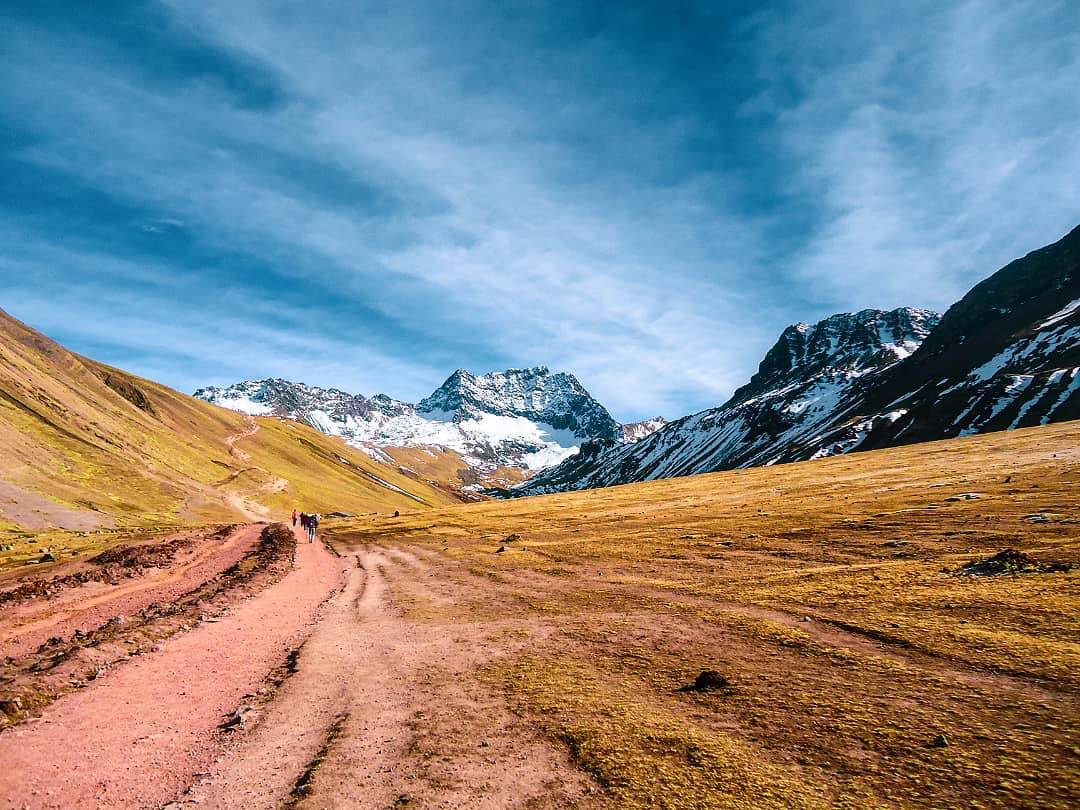
The Mountain of Seven Colors, also known as Vinicunca, is located in the Andean region of Cusco in Peru, and it has an altitude of 5,200 meters above sea level. This means that the hike to the summit of the mountain can be demanding due to the altitude and the lack of oxygen in the air. It is important for visitors to take necessary precautions to acclimatize to the altitude before undertaking the hike and to follow the recommendations of local tour guides to ensure a safe and enjoyable experience.
The maximum altitude is 5,200 meters above sea level, and the climate is typically cold and dry, with temperatures varying according to the season. During the day, temperatures can range between 8 and 18 degrees Celsius, depending on the time of year and altitude, while at night temperatures can drop below freezing.
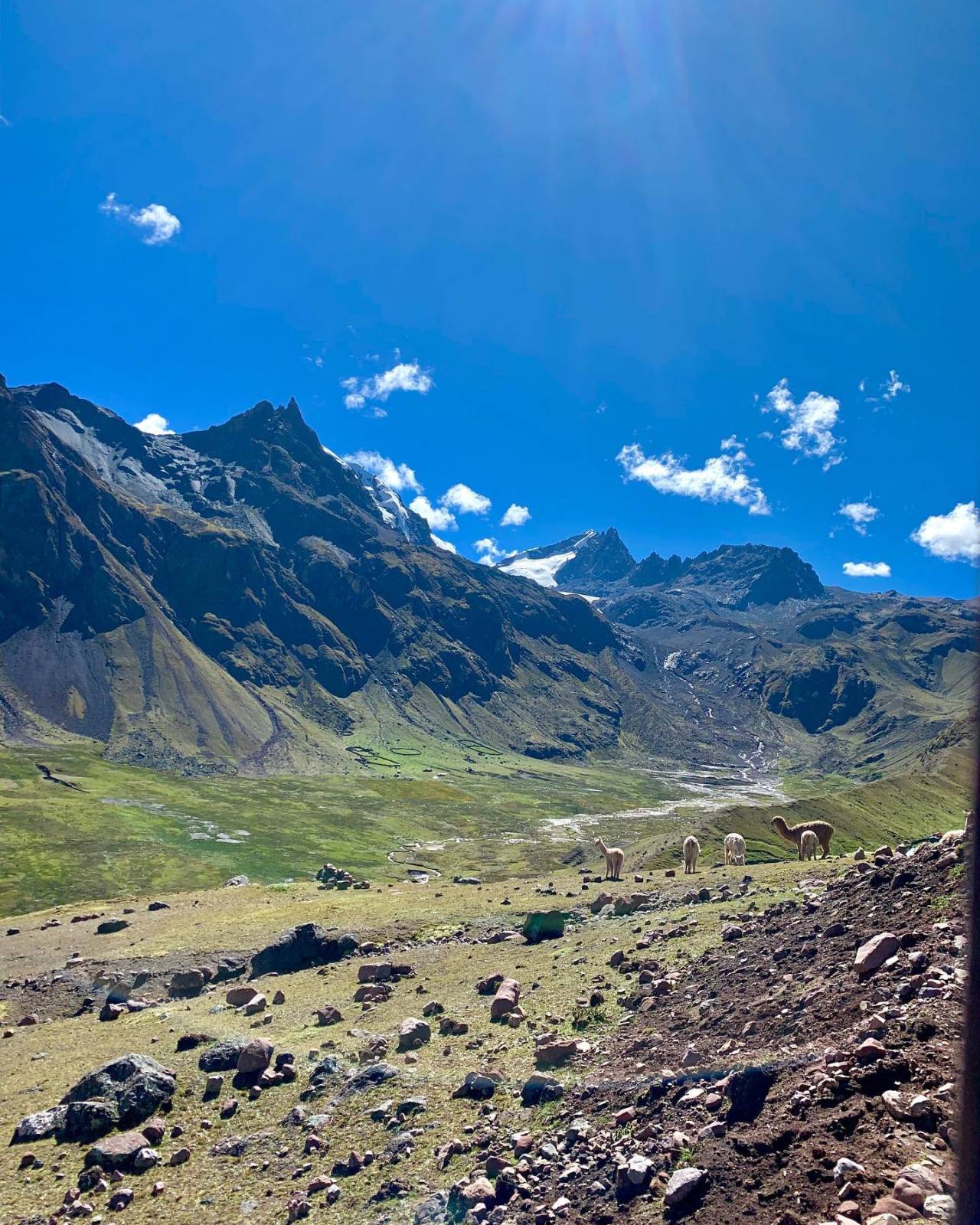
In general, the best time to visit the Mountain of Seven Colors is during the dry season, which runs from May to October, when temperatures are warmer and there is less chance of rain and snow. During the rainy season, which goes from November to April, temperatures can be colder and there is a higher chance of rain and snow.
It is important for visitors to dress appropriately for the cold and changeable weather, and to bring warm clothing, suitable hiking shoes, sunscreen, and sunglasses to protect against intense UV rays at high altitude. It is also important for visitors to stay properly hydrated and take necessary precautions to avoid altitude sickness, especially if planning to hike to the summit of the mountain.
The duration of the hike to the Mountain of Seven Colors depends on several factors, including the route chosen, walking pace, and weather conditions. Generally, the hike takes around 6 to 8 hours round trip from the town of Cusipata, which is one of the most popular starting points.
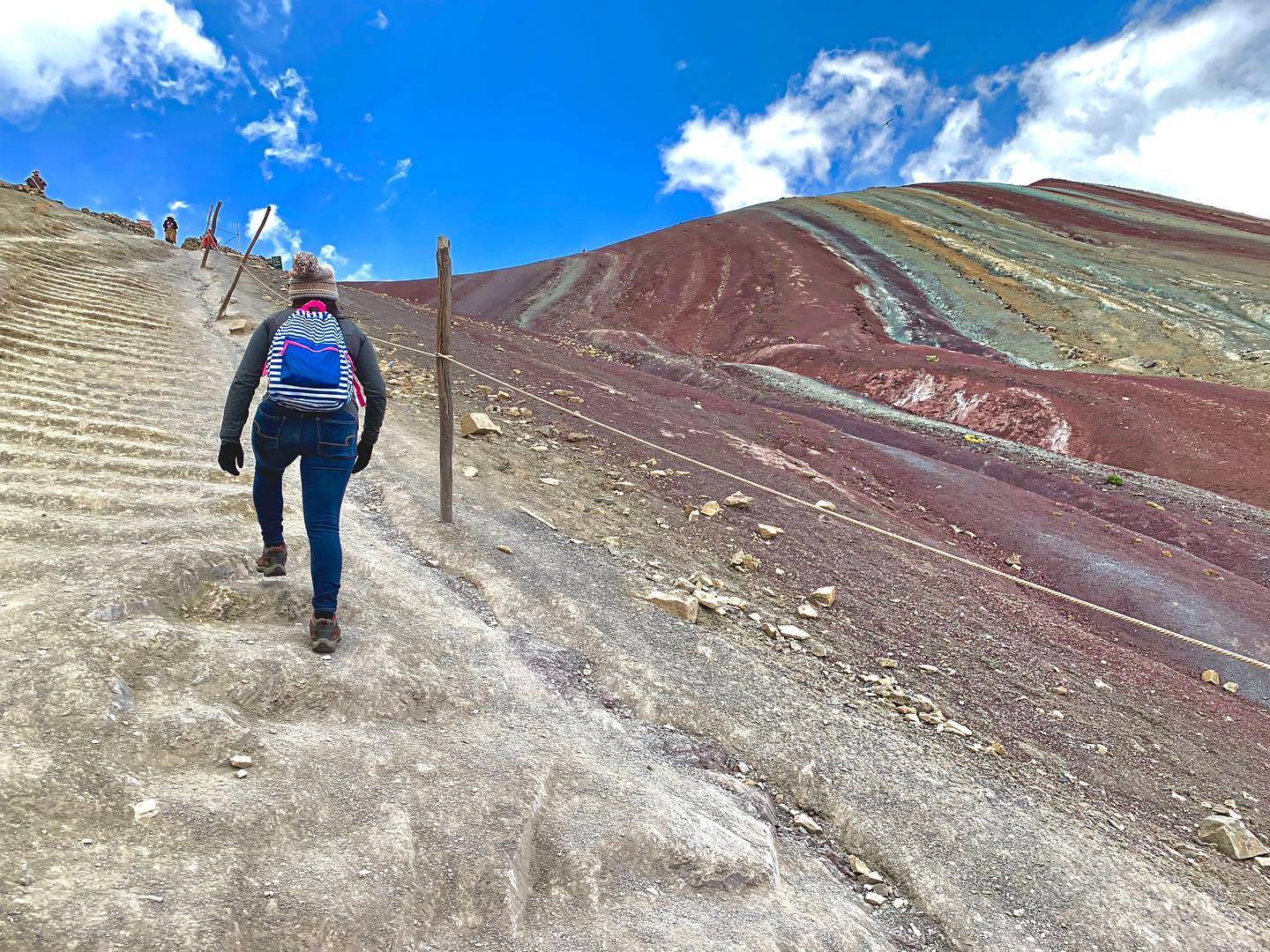
The hike to the summit of the mountain is demanding due to the altitude and lack of oxygen in the air, so it is recommended that visitors acclimate properly before undertaking the hike and follow the recommendations of local tour guides to ensure a safe and enjoyable experience.
It is worth noting that there are also options for multi-day hikes, which allow visitors to further explore the Andean region of Cusco and enjoy breathtaking panoramic views of the mountain and the surrounding landscapes.
Due to its location in a high mountain region in the Andes Mountains of Peru and its altitude, it is possible for snowfall to occur in the area throughout the year, although the likelihood of snow is higher during the rainy season, which is typically from November to March.

It is important to note that the weather in the area can be highly variable and can change rapidly, so visitors are advised to be prepared for any eventualities. If planning to visit the Mountain of Seven Colors during the rainy season or in winter, it is recommended to bring warm and suitable clothing for cold and humid conditions.
Machu Picchu and Rainbow Mountain are two stunning destinations in Peru that offer unique and memorable experiences for travelers.
Rainbow Mountain, also known as Vinicunca or the Mountain of Seven Colors, is a natural treasure in the Peruvian Andes. Located near Cusco, this mountain stands out for its beautiful multicolored tones that were formed due to the minerals present in its soil. The hike to the summit of the mountain is challenging, but the panoramic views and vibrant colors make the effort worthwhile. It is a natural wonder that will leave you breathless and remind you of the beauty and diversity of our planet.
Machu Picchu, on the other hand, is an ancient Inca city located high in the Peruvian Andes. It is considered one of the seven wonders of the world and is an archaeological site of great historical and cultural importance. The impressive Inca ruins, surrounded by mountains and lush vegetation, create a magical and fascinating landscape. The energy and mysterious history of Machu Picchu attract visitors from around the world. Exploring the terraces, temples, and ancient structures of this lost city is an incomparable experience that transports you back in time and connects you with the greatness of the Inca civilization.
Both Rainbow Mountain and Machu Picchu are destinations that immerse you in the natural and cultural beauty of Peru. Each one has its unique charm and offers a different perspective on the history and nature of the region. If you have the opportunity to visit Peru, don't miss the chance to explore these two amazing places that will leave you with unforgettable memories.
The distance from Cusco to Rainbow Mountain can vary depending on the transportation options chosen by the tourist. Here are several transportation options and their approximate distances:
It's important to note that these distances are approximate and may vary slightly depending on the exact route and road conditions. Additionally, keep in mind that altitude can affect the time and effort required to reach Rainbow Mountain, especially when hiking from a nearby starting point. Make sure you are physically prepared and properly acclimatized before embarking on any trip to this region.
Flora and Fauna in Rainbow Mountain
Rainbow Mountain, also known as Vinicunca, is an incredibly beautiful place with a rich diversity of flora and fauna adapted to the harsh conditions of the high mountains.
 Reserve here