Pikillaqta is an archaeological site located about 30 kilometers southeast of the city of Cusco, Peru. It is believed to have been built by the Wari culture around 550 AD, and is considered one of the most important archaeological sites in the region.
The name "Pikillaqta" means "city of fleas" in Quechua, although the true meaning of the original name is unknown. The site covers an area of approximately 50 hectares and features several ancient buildings and structures.
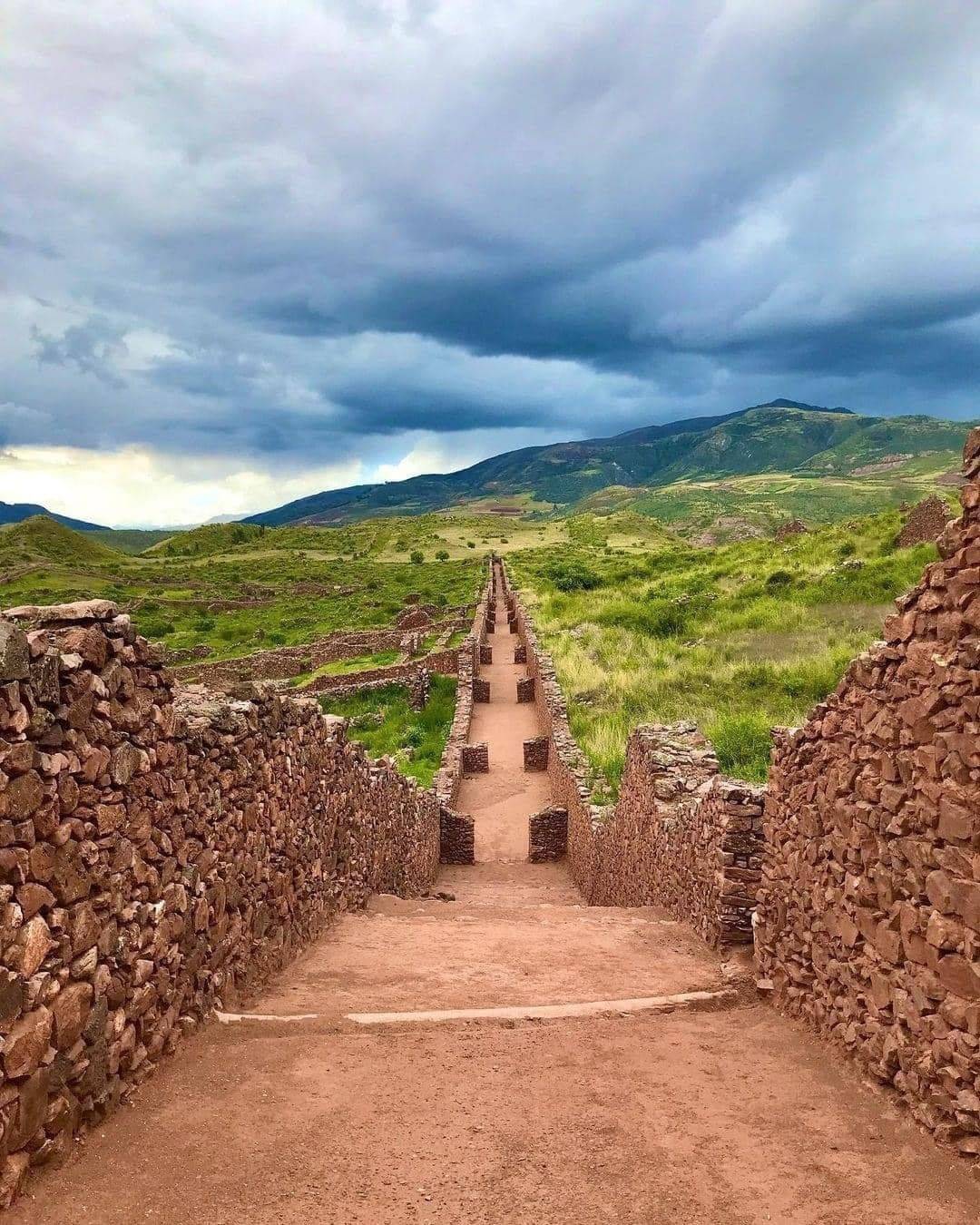
The architecture of Pikillaqta is impressive, with carved stone walls and a series of plazas and streets connecting the different buildings. The site is believed to have been used as an administrative and religious center by the Wari culture, and was also used for agriculture and food production.
Visiting Pikillaqta is a unique experience, as it allows tourists to learn more about the culture and history of the region. There are several trails and paths to walk and explore the site, and a watchtower can be accessed for panoramic views of the entire area.
Although Pikillaqta is not as well-known as other archaeological sites in the region, it is a fascinating tourist destination that deserves to be visited. The combination of ancient architecture and natural beauty in the area make Pikillaqta a must-see stop for anyone visiting Cusco and its surroundings.
In summary, Pikillaqta is an impressive and historically significant archaeological site in Peru. Its ancient architecture and natural beauty make it a must-see stop for anyone interested in the pre-Hispanic culture and history of the Cusco region.
Main Activities to do in Pikillaqta:
- Visit the ruins: The main attraction of Pikillaqta are the ruins of the city, which date back to the Wari period and display impressive architecture and urban planning.
- Learn about history: Pikillaqta was an important city in the region for centuries, and visitors can learn about its history and significance during the pre-Inca period.
- Observe flora and fauna: The Pikillaqta area is surrounded by nature and has a wide variety of flora and fauna. Visitors can enjoy walks and hikes in the vicinity of the ruins.
- Buy crafts: There are several craft shops around Pikillaqta where visitors can buy souvenirs and mementos. Participate in festivals: The Cusco region is known for its festivals and celebrations, and Pikillaqta is no exception. Visitors can enjoy the local festivities and celebrations that take place in the area.
- Engage in outdoor activities: Besides hiking, other outdoor activities such as cycling or horseback riding can be done in Pikillaqta.
- Visit museums: In the city of Cusco, which is close to Pikillaqta, there are several museums dedicated to the history and culture of the region, and they are an excellent way to complement the visit to the archaeological site.
- Enjoy local gastronomy: Cusco is known for its rich gastronomy, which combines traditional flavors with modern techniques. Visitors can enjoy local food and drink in restaurants and bars near Pikillaqta.
Main Archaeological Sites in Pikillaqta:
- The walled city: The walled city of Pikillaqta is the main attraction of the archaeological site. The ruins include adobe walls, paved streets, and ceremonial buildings, all built by the Wari people.
- The Temple Mayor complex: The Temple Mayor complex is one of the largest buildings in Pikillaqta. It was built with large stone blocks and has a large plaza.
- The main square: The main square is the heart of the city and is where the main ceremonies and rituals were held. Currently, the square is a peaceful place surrounded by ruins and vegetation.
- The houses and warehouses: The inhabitants of Pikillaqta built houses and warehouses to store food and products. These buildings can be found throughout the archaeological site.
- The irrigation channels: The Wari also built a series of irrigation channels to bring water to the city and the surrounding farming areas. Some of these channels can still be seen in Pikillaqta.
- The petroglyphs: Several petroglyphs, which are carved drawings on rocks, can be found near Pikillaqta. These petroglyphs are a sample of the rock art in the area.
- The Tipón aqueduct: A few kilometers from Pikillaqta is the Tipón aqueduct, also built by the Wari. This aqueduct still works today and is an example of hydraulic engineering from the time.
1 Tours found
Book with confidence: we have the best cancellation policies


 Reserve here